Window Replacement Cost in the Bay Area (2026 Guide)
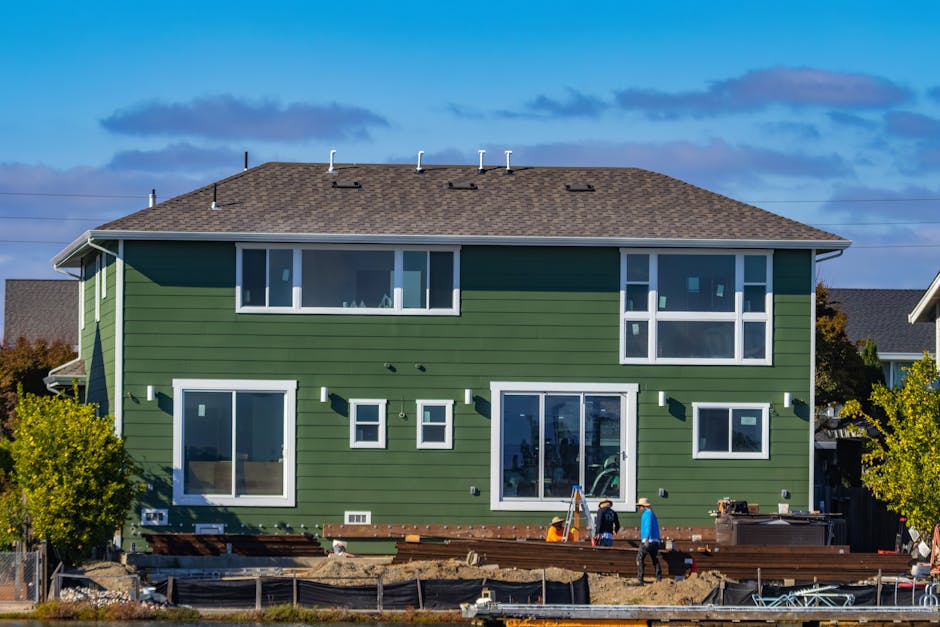
Replacing windows in the Bay Area is a project where costs can range wildly depending on window type, material, and your home's construction. Here's an honest breakdown of what Bay Area homeowners are paying in 2026 The U.S. Department of Energy estimates that ENERGY STAR-certified windows save homeowners $125 to $465 per year on energy bills., based on our project data across the East Bay, Marin, and South Bay.
Cost Per Window by Type
Installed prices including removal of old window, installation, trim, and cleanup:
| Window Type | Cost per Window |
|---|---|
| Vinyl double-hung | $600-$1,000 |
| Fiberglass double-hung | $900-$1,400 |
| Wood double-hung (Andersen/Marvin) | $1,200-$2,200 |
| Vinyl sliding | $500-$900 |
| Fiberglass casement | $1,000-$1,600 |
| Wood casement | $1,400-$2,500 |
| Picture window (fixed) | $400-$1,200 |
| Bay window | $2,500-$5,000 |
| Specialty/custom shapes | $1,500-$4,000+ |
For a whole-house replacement (15-20 windows on a typical Bay Area home), budget $12,000-$35,000 for vinyl, $18,000-$45,000 for fiberglass, or $25,000-$60,000 for wood.
Vinyl vs Fiberglass vs Wood: Which Material?
Vinyl Windows
The most affordable option and the workhorse of the replacement window market. Modern vinyl windows from Milgard, Simonton, and Anlin are solid performers — good energy ratings, low maintenance, and decent aesthetics. They've improved dramatically from the cheap vinyl of the '90s.
The downside: vinyl has limited color options (usually white, almond, tan, and a few others), can't be painted, and doesn't have the visual depth of wood or fiberglass. In upscale Bay Area neighborhoods (Piedmont, Los Gatos, Ross), vinyl can look out of place on a $2M home.
Fiberglass Windows
Fiberglass is the sweet spot for many Bay Area homeowners. Brands like Marvin Elevate, Pella Impervia, and Milgard Ultra offer the strength of fiberglass with paintable exteriors and clean sight lines. They handle the Bay Area's temperature swings without expanding or contracting.
Fiberglass frames are narrow, which means more glass area and more natural light. They accept paint, so you can match any color. And they last 30-40+ years with minimal maintenance.
Wood Windows
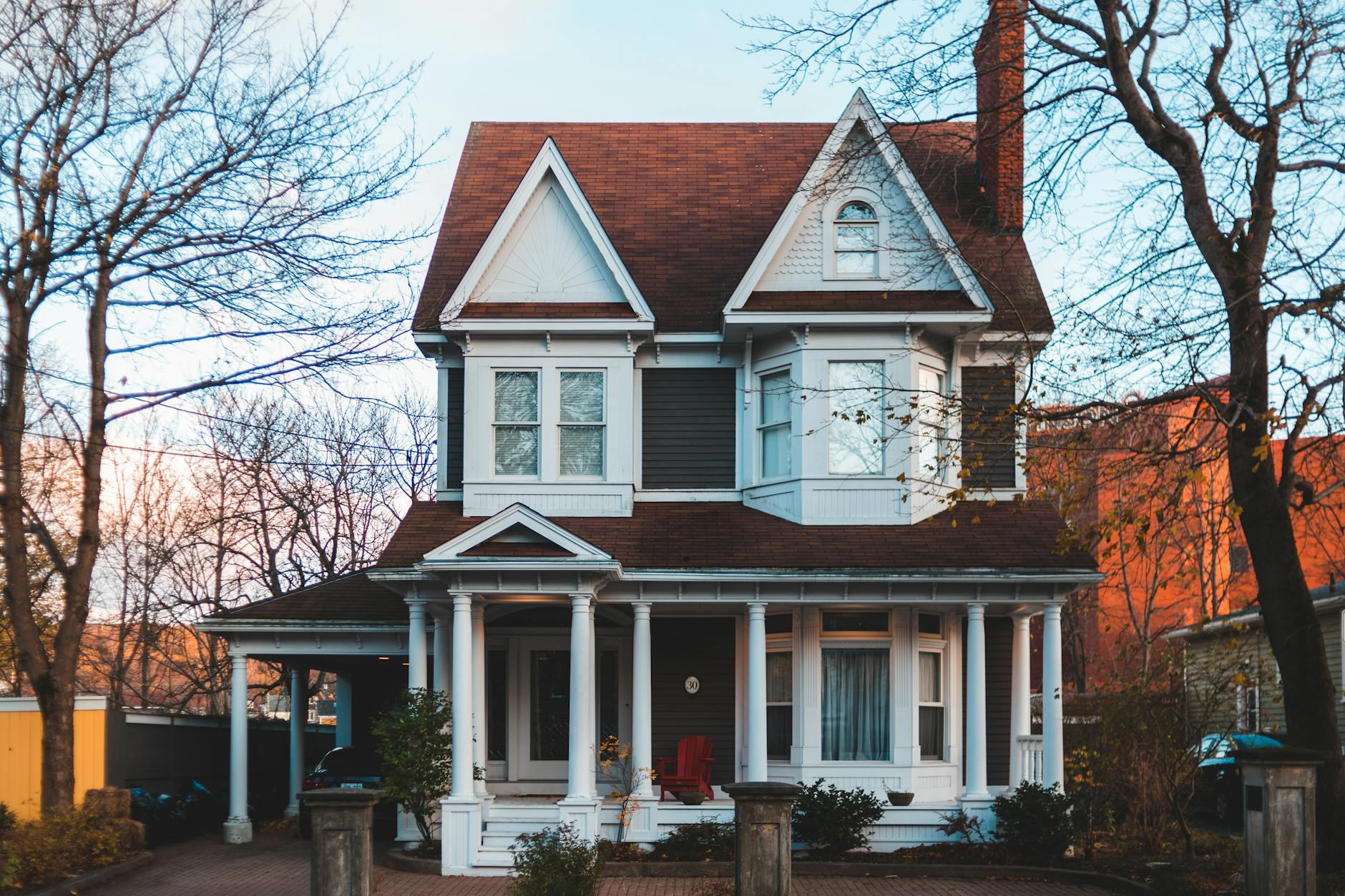
If you have a Craftsman in Berkeley, a Victorian in Alameda, or a period home anywhere in the Bay Area, wood windows might be the right call — especially if you're in a historic district. Andersen, Marvin, and Pella all make premium wood windows with aluminum or fiberglass cladding on the exterior.
The premium is significant — wood windows cost 2-3x vinyl. But on certain homes, they're the only appropriate choice. Historic preservation guidelines in cities like Berkeley, Oakland, and San Francisco sometimes require wood windows in visible locations.
Energy Savings and Title 24
California's Title 24 energy code sets minimum energy performance requirements for replacement windows. As of the 2025 code cycle (in effect through 2028), replacement windows in the Bay Area (Climate Zone 3-4) must meet:
- U-factor: 0.30 or lower (measures heat transfer — lower is better)
- SHGC: 0.23 or lower (Solar Heat Gain Coefficient — how much solar heat the window lets in)
Almost all dual-pane Low-E windows from major manufacturers meet these requirements. If you're replacing single-pane windows (still common in pre-1980 Bay Area homes), the energy improvement is substantial.
Real Energy Savings
Replacing single-pane windows with dual-pane Low-E windows typically saves:
| Energy Use | Savings | Notes |
|---|---|---|
| Heating | 15-25% reduction | significant for homes in cooler Bay Area microclimates (fog belt, coastal Marin) |
| Cooling | 20-30% reduction | matters most in the East Bay (Walnut Creek, Concord, Pleasanton) |
| Annual savings | $300-$800/year | depending on home size, window count, and HVAC system |
There's also a comfort factor that doesn't show up in dollar figures: no more cold drafts, no more condensation on window panes, and significantly better noise reduction. Homes near BART tracks, highways, or Oakland Airport notice a dramatic difference.
Bay Area-Specific Factors
Salt Air Corrosion
Homes within a few miles of the ocean (Pacifica, Half Moon Bay, coastal Marin, parts of Alameda) deal with salt air that corrodes metal hardware and degrades certain frame materials. Fiberglass and vinyl handle salt air best. If you go with wood, make sure the exterior cladding is aluminum or fiberglass — not bare wood.
Fog and Condensation
The fog belt running from SF through Daly City and down the coast creates persistent moisture. Single-pane windows in these areas are constantly fogged with condensation, which damages sills and surrounding wall material. Upgrading to dual-pane virtually eliminates this because the interior pane stays closer to room temperature.
Seismic Considerations
This doesn't affect window selection directly, but if your home needs structural retrofit work (common in pre-1950 Bay Area homes), coordinating window replacement with a seismic retrofit can save money — the walls are already opened up.
ENERGY STAR and Tax Credits
Windows meeting ENERGY STAR Most Efficient criteria qualify for a federal tax credit of 30% of product cost, up to $600. For a $20,000 window project, that's potentially $600 back. Not life-changing, but worth claiming.
From Alexander: Straight Talk on Windows
Windows are where I see the biggest gap between contractor quotes. One company quotes $400/window installed (using bottom-tier product and day-labor installers), another quotes $2,500/window (premium product with proper flashing and finish work). Both call themselves window replacement companies.
The difference is in the installation. A window that's not properly flashed and sealed will leak — maybe not this year, but within 5 years. Water gets into the wall cavity, rots the framing, and you're looking at a $5,000+ repair per window. I've seen it dozens of times on Bay Area homes. The cheap window job ends up being the most expensive.
Get a Window Quote
We offer free in-home consultations for window replacement projects throughout the Bay Area. We'll measure every window, discuss material options, and provide a fixed-price quote — no games, no bait-and-switch. Schedule your consultation.
We install windows in Alameda County, Contra Costa County, Marin County, and Santa Clara County.
Sources & Further Reading
For more information, check these resources:
• GAF Roofing Products — shingle specs, warranties, and certified contractor info
• ENERGY STAR Roof Products — energy-efficient roofing that qualifies for rebates
• CSLB License Lookup — verify any California contractor license