When Is the Best Time to Replace Your Roof in the Bay Area
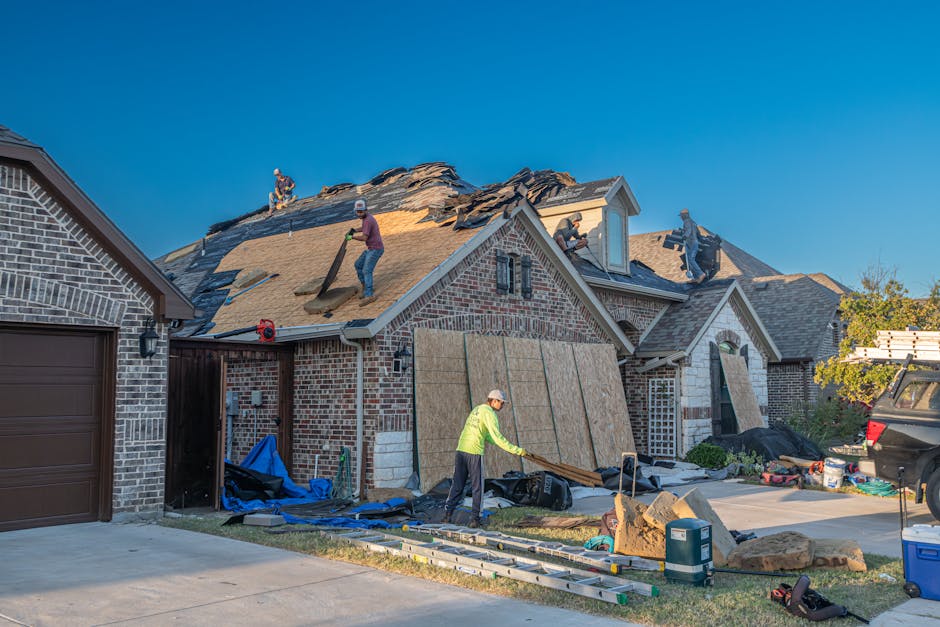
Timing matters when you are replacing a roof. Pick the right window and you get dry weather, available crews, and a smooth process. Pick the wrong one and you are dealing with rain delays, tarps, and a project that drags on. In the Bay Area, the weather patterns and contractor schedules create a pretty clear best window and a few strategic alternatives.
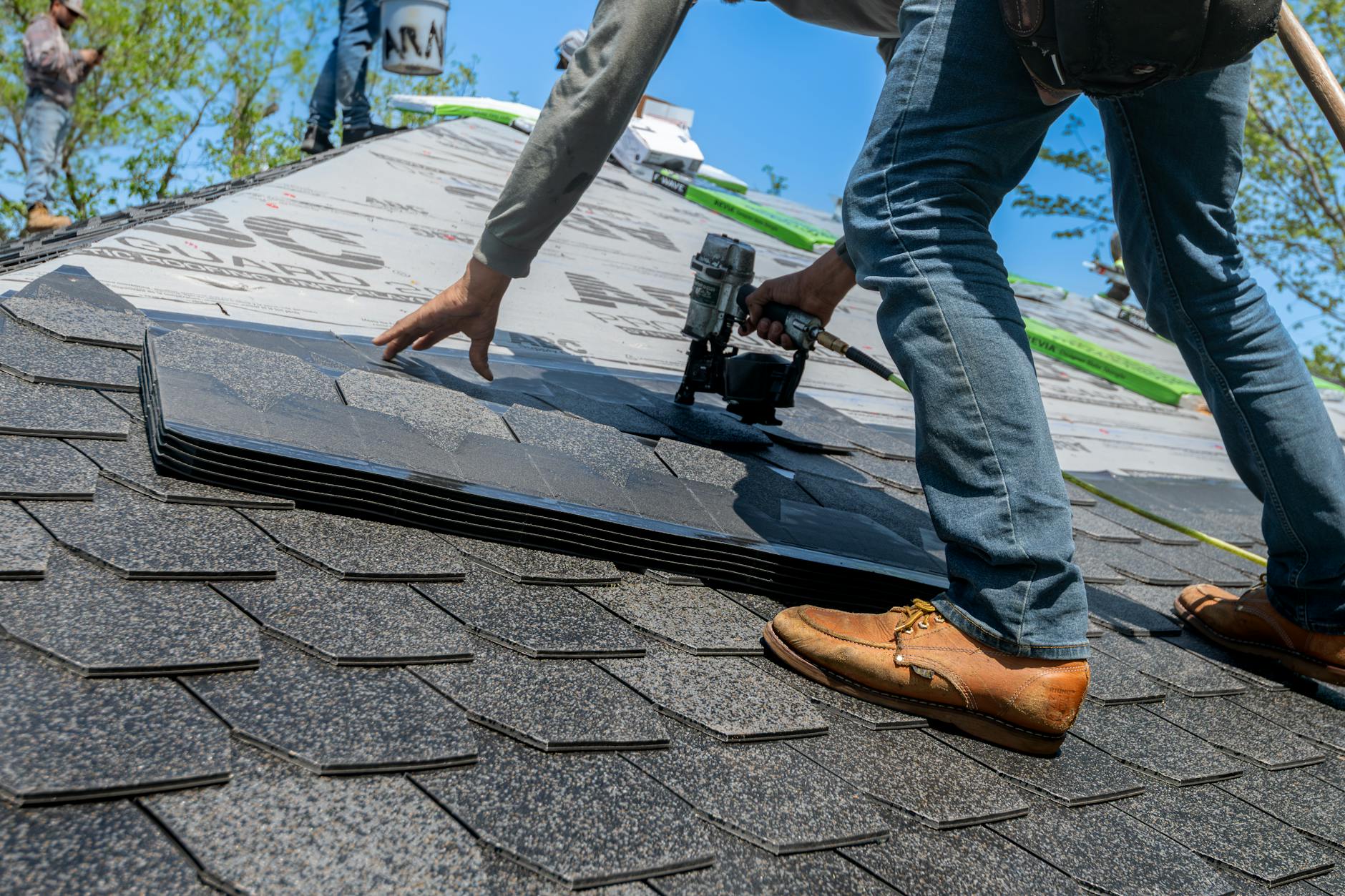
The Best Months: May Through October
Late spring through early fall is the sweet spot for Bay Area roof replacements. Here is why:
- Dry weather. The Bay Area gets nearly all of its rain between November and March. May through October is reliably dry, which means no delays waiting for weather windows and no risk of exposed decking getting rained on mid-project.
- Longer days. More daylight means more productive hours on the roof. A crew working from 7 AM to 6 PM in June gets significantly more done than the same crew working the short days of December. That means faster completion and less disruption to your household.
- Optimal shingle sealing. Asphalt shingles have a thermally activated adhesive strip that seals each shingle to the one below it. This seal activates with heat. Roofs installed in warm weather seal faster and more completely than roofs installed in cold weather. In the Bay Area, this is less of an issue than in, say, Minnesota, but shingles installed during our warmest months seal best.
How Weather Affects Your Timeline
The Bay Area doesn’t have one climate—it has a dozen microclimates, and they all affect roofing work differently. The coastal fog belt from Pacifica through San Francisco up to Marin means morning moisture on roofs until 10 or 11 AM for much of the summer. That’s not a deal-breaker, but it means crews start later on foggy days and the shingles need to be dry before they’ll seal properly.
Inland valleys—Walnut Creek, Concord, Livermore, San Jose—get genuine heat. When it’s 95°F+ on a black roof, the surface temperature hits 150°F or higher. That’s rough on crews and it actually affects material handling. Shingles get soft and can scuff if walked on, and sealant strips activate faster than intended. We adjust our start times in July and August to get the critical work done before noon.
Rain is the real schedule-wrecker. The Bay Area averages 20–25 inches of rain per year, almost all of it between November and March. We can’t install shingles on a wet deck, and we won’t tear off a roof if there’s rain in the 48-hour forecast. That’s why winter jobs take longer—not because the work itself is slower, but because we lose days to weather holds. If you’re planning a winter replacement, budget an extra week in your timeline.
How Weather Affects Your Timeline
The Bay Area doesn’t have one climate—it has a dozen microclimates, and they all affect roofing work differently. The coastal fog belt from Pacifica through San Francisco up to Marin means morning moisture on roofs until 10 or 11 AM for much of the summer. That’s not a deal-breaker, but it means crews start later on foggy days and the shingles need to be dry before they’ll seal properly.
Inland valleys—Walnut Creek, Concord, Livermore, San Jose—get genuine heat. When it’s 95°F+ on a black roof, the surface temperature hits 150°F or higher. That’s rough on crews and it actually affects material handling. Shingles get soft and can scuff if walked on, and sealant strips activate faster than intended. We adjust our start times in July and August to get the critical work done before noon.
Rain is the real schedule-wrecker. The Bay Area averages 20–25 inches of rain per year, almost all of it between November and March. We can’t install shingles on a wet deck, and we won’t tear off a roof if there’s rain in the 48-hour forecast. That’s why winter jobs take longer—not because the work itself is slower, but because we lose days to weather holds. If you’re planning a winter replacement, budget an extra week in your timeline.
Bay Area Microclimates Matter
The Bay Area is not one climate. It is a dozen. This affects scheduling:
Coastal and Marin: Fog and marine moisture can persist well into July. Morning dew on the coast can delay crew start times by an hour or two on foggy days. If you are in Mill Valley, Sausalito, or anywhere along the coast, late July through September tends to be the driest window.
Inland East Bay and Contra Costa: Walnut Creek, Concord, Livermore, and the Tri-Valley get hot and dry starting in May. These areas have the widest roofing window, often May through November, since rain comes later to the inland valleys.
South Bay and Santa Clara: San Jose, Sunnyvale, and the South Bay generally track with the inland pattern. Dry heat from May onward. Summer is prime time.
Napa: Similar to inland East Bay. Hot, dry summers with a long roofing window. The challenge in Napa is sometimes crew availability during harvest season when construction labor gets competitive.
The Busy Season Tradeoff
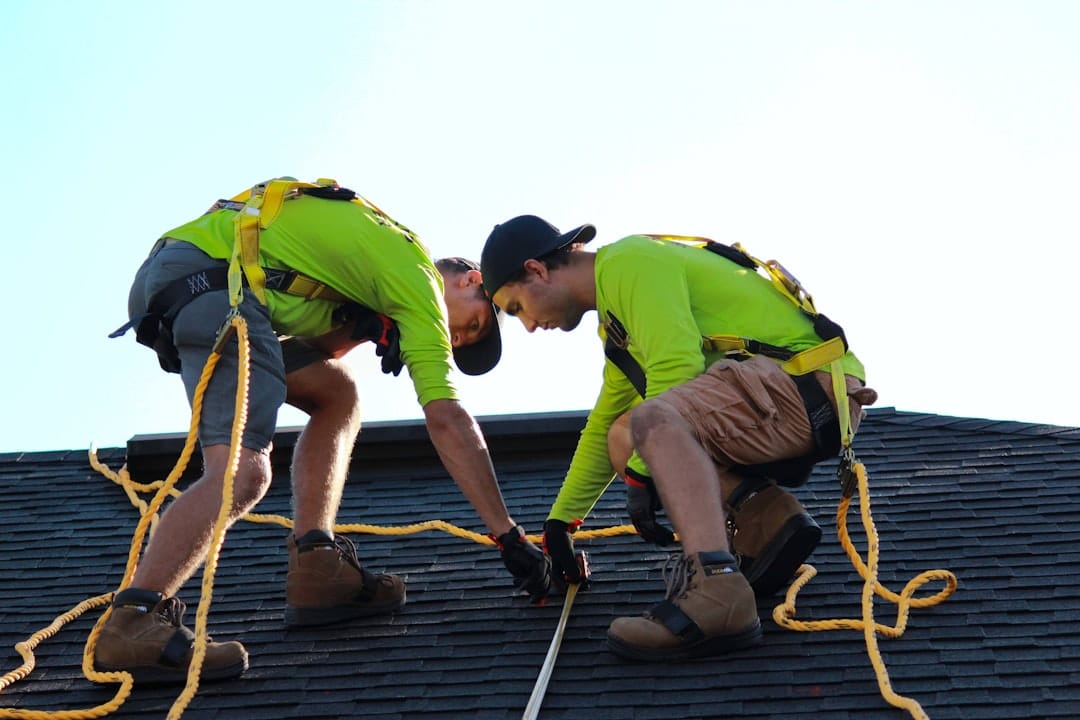
Here is the catch: May through October is when everyone wants their roof done. That means roofing contractors are busiest during the months that are best for the work. If you call in July and want the job done next week, you are probably looking at a three to six week wait with most reputable contractors.
The fix is simple: plan ahead. If you know you need a roof replacement, get your inspection and estimate in February or March. Lock in your spot on the schedule for May or June. You get the best weather and first-in-line scheduling.
The Off-Season Advantage
November through April is the off-season for roofing in the Bay Area, but that does not mean work stops completely. There are real advantages to booking during the slower months:
- Faster scheduling. When the phone is not ringing as much, contractors can often fit you in within a week or two instead of a month.
- More attention. Smaller workload means your project manager is not juggling six jobs at once. You may get more hands-on attention to detail.
- Weather windows exist. The Bay Area is not the Midwest. We get stretches of dry, mild weather even in January and February. A good contractor watches the 10-day forecast and can schedule tear-off and install during a dry window.
The risk with off-season work is obvious: if rain comes in unexpectedly, the crew has to tarp everything and wait. A job that takes two days in July might take five days in January because of weather holds. But if your roof is actively leaking, waiting until summer is not always an option.
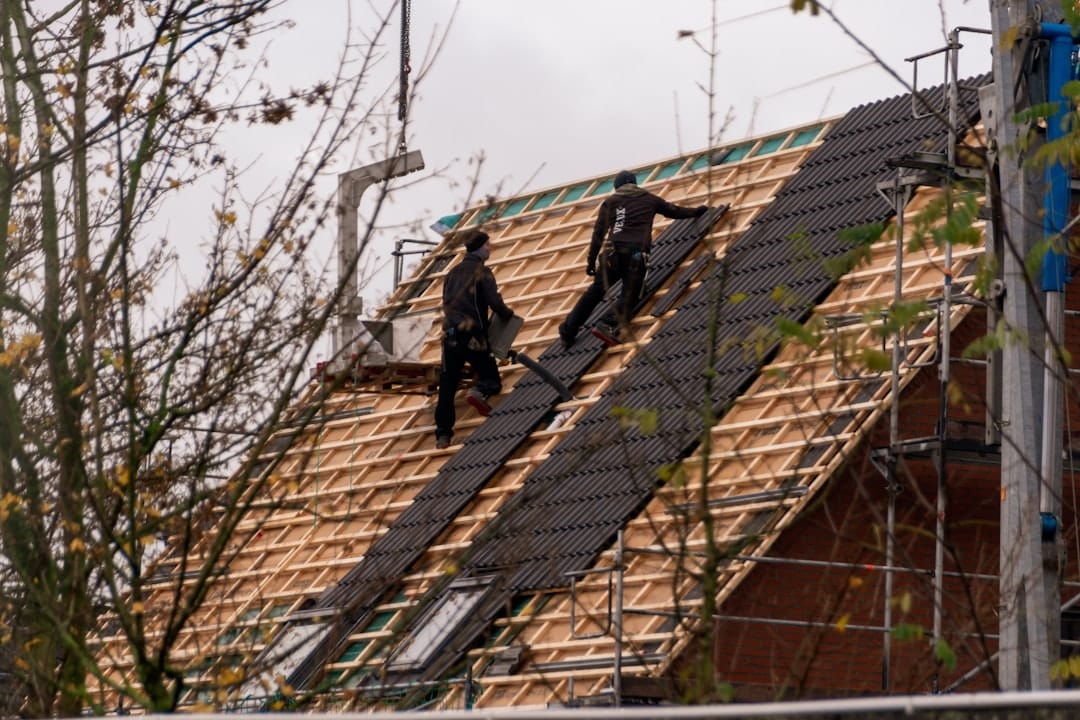
Real Talk: What Most Contractors Won’t Tell You
Some contractors push emergency replacements because it’s easier to close a scared homeowner than an informed one. Here’s the honest truth from someone who’d rather earn your trust than your panic: most roof issues are not emergencies. A missing shingle, some granule loss in the gutters, a small stain on the ceiling—these are signals, not sirens.
When is it genuinely urgent? When you have active water intrusion during a storm, when decking is visibly sagging, or when a tree has damaged structural members. Those situations need a tarp today and a crew this week. Everything else? You have time to get two or three quotes, check licenses on the CSLB website, read reviews, and make an informed decision.
Alexander’s rule at Hamilton Exteriors: if we inspect your roof and it has 3–5 years left, we’ll tell you that. We’d rather you call us in three years when you’re ready than pressure you into a job you don’t need yet. That’s how you build a business that lasts. When you are ready, request a free quote and we’ll get you on the schedule.
Real Talk: What Most Contractors Won’t Tell You
Some contractors push emergency replacements because it’s easier to close a scared homeowner than an informed one. Here’s the honest truth from someone who’d rather earn your trust than your panic: most roof issues are not emergencies. A missing shingle, some granule loss in the gutters, a small stain on the ceiling—these are signals, not sirens.
When is it genuinely urgent? When you have active water intrusion during a storm, when decking is visibly sagging, or when a tree has damaged structural members. Those situations need a tarp today and a crew this week. Everything else? You have time to get two or three quotes, check licenses on the CSLB website, read reviews, and make an informed decision.
Alexander’s rule at Hamilton Exteriors: if we inspect your roof and it has 3–5 years left, we’ll tell you that. We’d rather you call us in three years when you’re ready than pressure you into a job you don’t need yet. That’s how you build a business that lasts. When you are ready, request a free quote and we’ll get you on the schedule.
Permit Timing
One thing homeowners do not think about: permit processing times. Every Bay Area city requires a building permit for a roof replacement, and processing times vary:
- Most Alameda County cities: 3 to 10 business days
- Contra Costa County cities: 3 to 7 business days
- Marin County cities: 5 to 15 business days (longer in fire zones)
- Napa: 3 to 10 business days
- Santa Clara County cities: 5 to 14 business days
Some cities offer over-the-counter permits for straightforward roof replacements, which can cut the wait to same-day. Others require plan review. We handle the permit process and factor the timeline into scheduling so you are not caught off guard.
Our Scheduling Advice
After running roofing crews across the Bay Area for years, here’s what we tell every homeowner: book 4–6 weeks ahead during peak season (May through October). We’re typically running 3–4 crews and scheduling 2–3 weeks out minimum during summer. If you call in July wanting a roof next week, it’s probably not happening unless you have an active leak.
Our fastest availability is usually in January and February—the dead of winter. We’ll have openings within 1–2 weeks, and we often run pricing incentives during those months because we want to keep our crews busy. March and April are the sweet spot: weather is improving, but we haven’t hit the summer rush yet. If you can time your project for late March through April, you get good weather and short wait times.
One more thing: permits add time. Some Bay Area cities turn permits around in 3–5 business days. Others take 2–3 weeks. We pull permits as part of every roofing project and we know the timelines for every jurisdiction in our service area. If you want to understand what the full project will cost, read our Bay Area roof replacement cost guide. Not sure if your roof actually needs replacing? Check out 7 warning signs it’s time for a new roof.
Our Scheduling Advice
After running roofing crews across the Bay Area for years, here’s what we tell every homeowner: book 4–6 weeks ahead during peak season (May through October). We’re typically running 3–4 crews and scheduling 2–3 weeks out minimum during summer. If you call in July wanting a roof next week, it’s probably not happening unless you have an active leak.
Our fastest availability is usually in January and February—the dead of winter. We’ll have openings within 1–2 weeks, and we often run pricing incentives during those months because we want to keep our crews busy. March and April are the sweet spot: weather is improving, but we haven’t hit the summer rush yet. If you can time your project for late March through April, you get good weather and short wait times.
One more thing: permits add time. Some Bay Area cities turn permits around in 3–5 business days. Others take 2–3 weeks. We pull permits as part of every roofing project and we know the timelines for every jurisdiction in our service area. If you want to understand what the full project will cost, read our Bay Area roof replacement cost guide. Not sure if your roof actually needs replacing? Check out 7 warning signs it’s time for a new roof.
The Bottom Line on Timing
If your roof can wait, schedule for May through October and book early. If your roof cannot wait, do not let the calendar stop you. A good contractor can work year-round in the Bay Area. The worst time to replace your roof is after it has already leaked and caused interior damage.
Hamilton Exteriors replaces roofs across Alameda, Contra Costa, Marin, Napa, and Santa Clara counties year-round. We offer free inspections and will give you a straight answer about whether your roof can wait for the dry season or needs attention now. Give us a call at (650) 977-3351 or book your inspection online. CSLB License #1078806.
Ready to Get Started?
Get a free roof inspection and written estimate — no obligation, no pressure.
Call (650) 977-3351Sources & Further Reading
• GAF Timberline HDZ Shingles — warranty and performance specs for the Bay Area’s most-installed shingle
• ENERGY STAR Roof Products — cool roof options that can reduce attic temperatures by up to 30°F
• CSLB License Lookup — verify contractor licenses before signing anything
Sources & Further Reading
• GAF Timberline HDZ Shingles — warranty and performance specs for the Bay Area’s most-installed shingle
• ENERGY STAR Roof Products — cool roof options that can reduce attic temperatures by up to 30°F
• CSLB License Lookup — verify contractor licenses before signing anything