Metal Roof vs Asphalt Shingles: Which Is Better for Bay Area Homes?
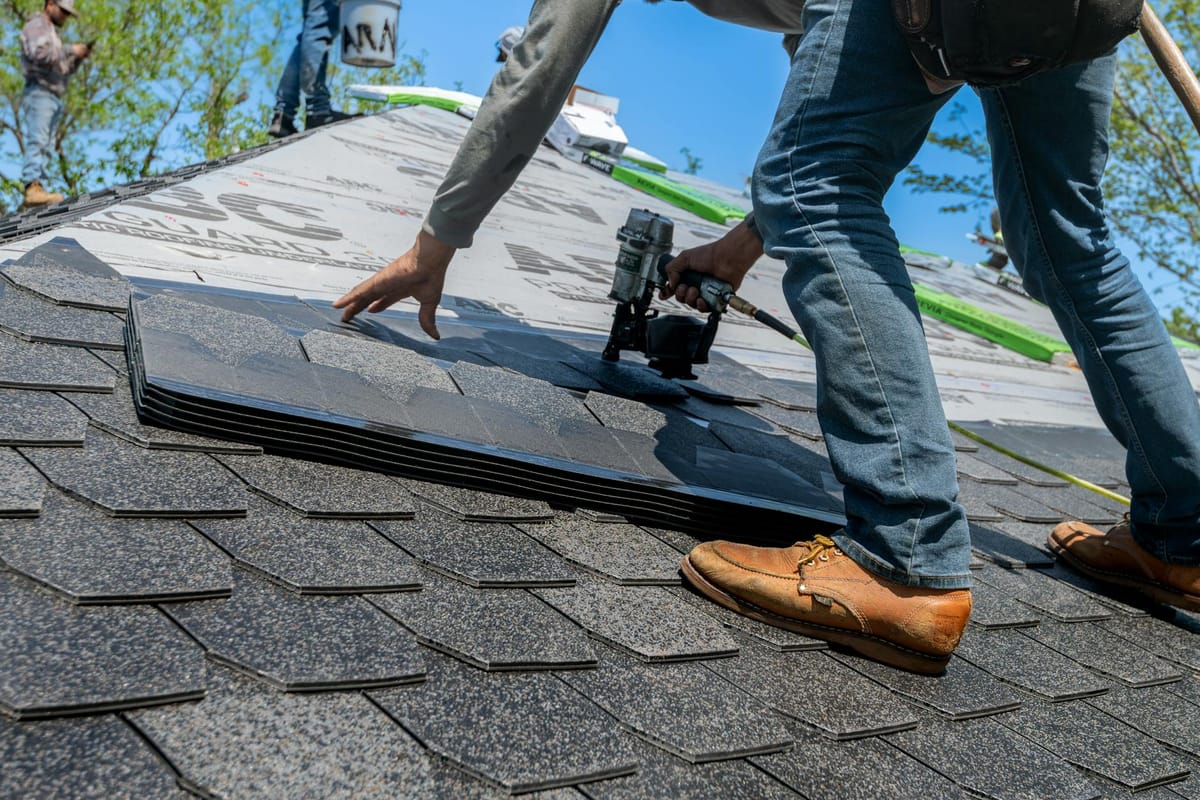
This is the most common question I get from Bay Area homeowners: should I go metal or stick with asphalt shingles? Both are solid choices, but the right answer depends on your budget, your home's style, and where you live. Let me break it down honestly.
Cost Comparison
Let's start with what everyone wants to know — price.
| Material | Cost per sq ft installed |
|---|---|
| Asphalt shingles | $8-$14 |
| Standing seam metal | $15-$25 |
| Metal shingle panels | $12-$18 |
For a typical 2,000 sq ft Bay Area roof, that translates to roughly $16,000-$28,000 for asphalt and $30,000-$50,000 for standing seam metal. Yes, metal costs about twice as much upfront. But the math changes when you factor in lifespan.
Lifespan: Where Metal Pulls Ahead
- Asphalt shingles: 20-30 years (architectural/dimensional shingles on the higher end)
- Metal roof: 40-70 years depending on material and coating quality
If you're planning to stay in your home long-term, a metal roof can be a one-and-done investment. Most Bay Area homeowners who choose asphalt will need at least one more roof replacement in their lifetime. According to Oak Ridge National Laboratory research, metal roofs reflect up to 70% of solar radiant heat, which contributes to their extended lifespan and lower cooling costs. Spread the cost over decades and metal often wins on a per-year basis. Remodeling Magazine's 2024 Cost vs. Value Report ranks metal roofing among the highest-ROI exterior upgrades nationally.
Fire Resistance: Critical for Bay Area Homes
This is where things get serious for Bay Area homeowners. If you live in a WUI (Wildland-Urban Interface) fire zone, your roofing material isn't just a preference — it's a safety decision.
- Metal roofs: Class A fire rating (the highest) — they will not ignite from embers or radiant heat
- Asphalt shingles: Class A fire rating available with fiberglass-mat products from GAF and similar manufacturers
Both can achieve Class A, but metal is inherently noncombustible. In neighborhoods like the Oakland Hills, Orinda, Lafayette, and parts of Marin where wildfire risk is real, metal gives homeowners genuine peace of mind. After the 1991 Oakland Hills fire, many rebuilt homes went with metal roofs specifically for this reason.
Bay Area Climate Factors
The Bay Area's climate is actually kind to both materials, but with some differences worth noting:
Coastal Fog and Moisture
Homes in San Francisco, Daly City, Pacifica, and coastal Marin get hammered by salt air and moisture. Metal roofs with proper coatings (Kynar/PVDF finishes) handle this well. Standard asphalt shingles also perform fine in fog, but algae growth is more common on north-facing slopes — those dark streaks you see on roofs in Mill Valley and Tiburon.
Heat and UV Exposure
East Bay cities like Walnut Creek, Concord, Pleasanton, and Livermore see significantly more heat than the coast. Metal roofs reflect solar radiation and can reduce cooling costs by 10-25% according to the Department of Energy. Asphalt absorbs more heat, though lighter-colored shingles help.
Wind
Bay Area wind — especially in the Altamont Pass corridor and coastal ridgelines — can be harsh. Metal panels lock together mechanically and handle high winds better than shingles. Most standing seam systems are rated for 110+ mph winds. Architectural shingles are typically rated 110-130 mph but can lift at edges if improperly installed.
Appearance
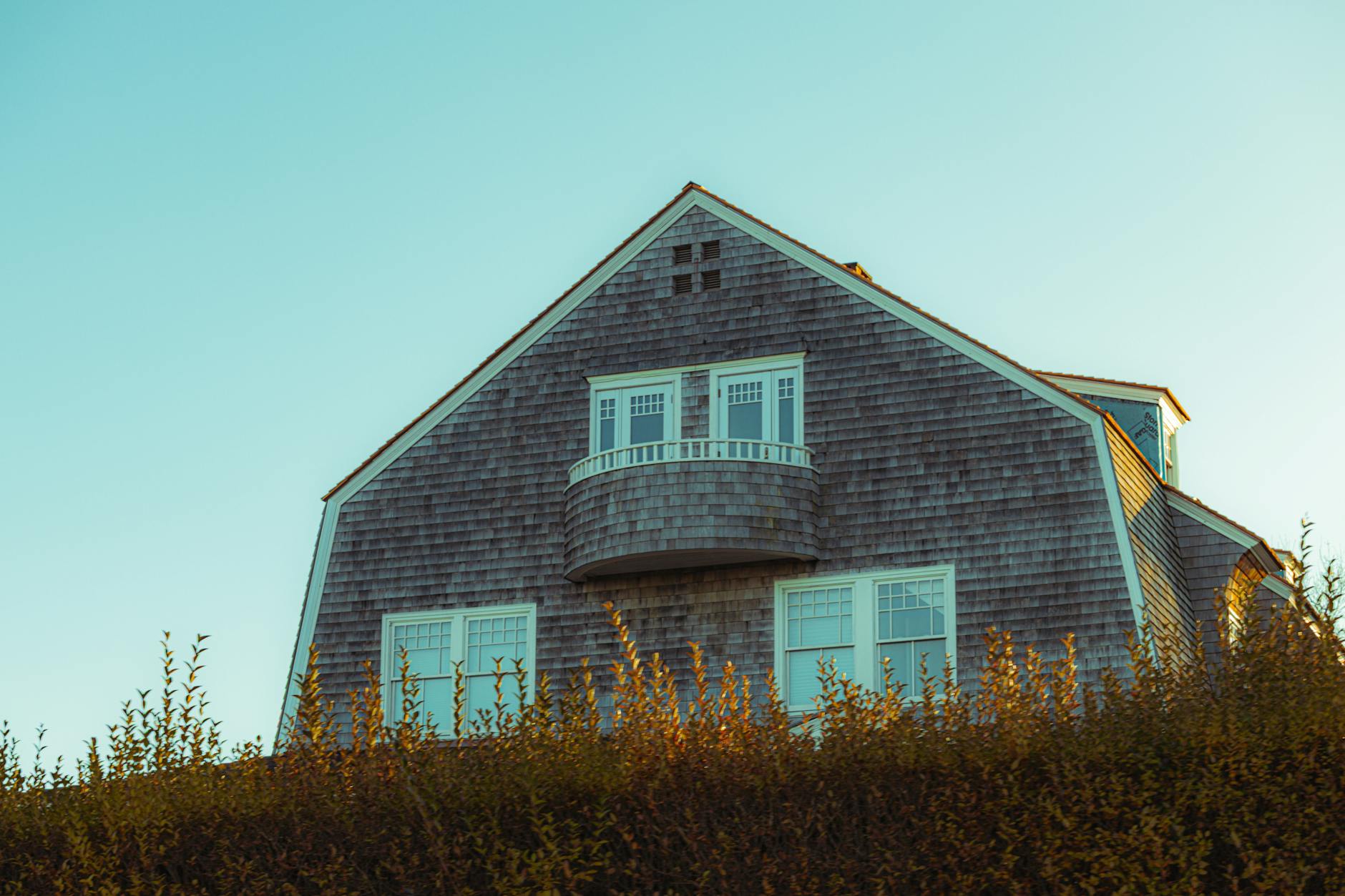
Historically, metal roofs looked industrial. That's changed dramatically. Modern standing seam metal comes in dozens of colors and has a clean, contemporary look that works well on Bay Area homes — especially mid-century modern, ranch, and contemporary styles common in the East Bay Hills and Silicon Valley.
Asphalt shingles offer the widest variety of profiles and colors. If you have a Craftsman bungalow in Berkeley or a Victorian in Alameda, dimensional asphalt shingles may be the better aesthetic match.
Neither material is objectively better-looking. It depends on your home's architecture.
Energy Savings
California's Title 24 energy code has specific cool roof requirements that affect material choices. Metal roofs with reflective coatings naturally meet cool roof requirements. Asphalt shingles need to be specifically "cool roof" rated products to comply.
For Bay Area homes with air conditioning (increasingly common in the East Bay and South Bay), a metal roof can save $200-$500/year on cooling costs. Homes closer to the coast that rarely use AC won't see as much savings.
Sound and Hail
A common concern: "won't a metal roof be loud in the rain?" With proper solid-deck installation (not open purlins) and underlayment, a metal roof is no louder than asphalt during rain. Hail is rare in the Bay Area, but metal handles it better than shingles when it does happen.
Resale Value
In the Bay Area housing market, a new roof of either type adds value. Metal roofs tend to get called out as a selling point in MLS listings more often because buyers recognize the longevity and fire resistance. A new asphalt shingle roof is expected — it doesn't get the same attention.
According to Remodeling Magazine's Cost vs. Value report, a new asphalt roof recovers about 60-65% of its cost at resale. Metal roof data is less standardized but generally runs higher in fire-prone markets like the Bay Area.
From Alexander: My Honest Take
I install both materials and I don't push one over the other. Here's how I think about it: if your budget is tight and your home needs a roof now, asphalt shingles are a proven, reliable choice. If you can afford the upfront cost and plan to stay in your home 15+ years (or you're in a fire zone), metal is the smarter long-term investment.
What I won't do is talk you into a $45,000 metal roof when a $22,000 asphalt roof solves your problem just as well. That's not how we operate at Hamilton Exteriors.
Which Should You Choose?
Go with asphalt shingles if:
- Budget is your primary concern
- You plan to sell within 10-15 years
- Your home has a traditional style that suits shingles
- You're not in a high fire risk zone
Go with metal if:
- You're staying long-term and want a lifetime roof
- Fire resistance is a priority
- You want maximum energy efficiency
- Your home suits a modern or clean-line aesthetic
Ready to get specific pricing for your home? Get a free quote or learn more about our roofing services. We serve the entire Bay Area including Alameda County, Contra Costa County, Marin County, and Santa Clara County.
Sources & Further Reading
For more information, check these resources:
• GAF Roofing Products — shingle specs, warranties, and certified contractor info
• ENERGY STAR Roof Products — energy-efficient roofing that qualifies for rebates
• CSLB License Lookup — verify any California contractor license