James Hardie Siding: Why Bay Area Contractors Recommend It
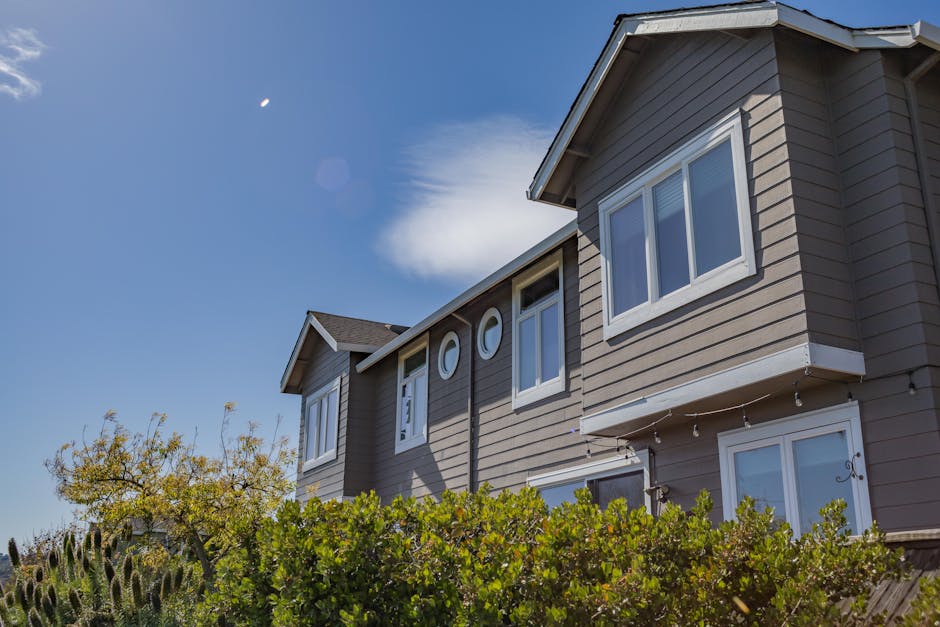
If you talk to enough Bay Area contractors about siding, the same name keeps coming up: James Hardie. There's a reason for that. After installing thousands of squares of siding across the East Bay, Marin, and South Bay, I can tell you that fiber cement — and Hardie board specifically — handles our climate better than any other siding material. According to Remodeling Magazine's 2024 Cost vs. Value Report, fiber cement siding delivers an 86% return on investment at resale, one of the highest ROI exterior upgrades available.
What Is James Hardie Siding?
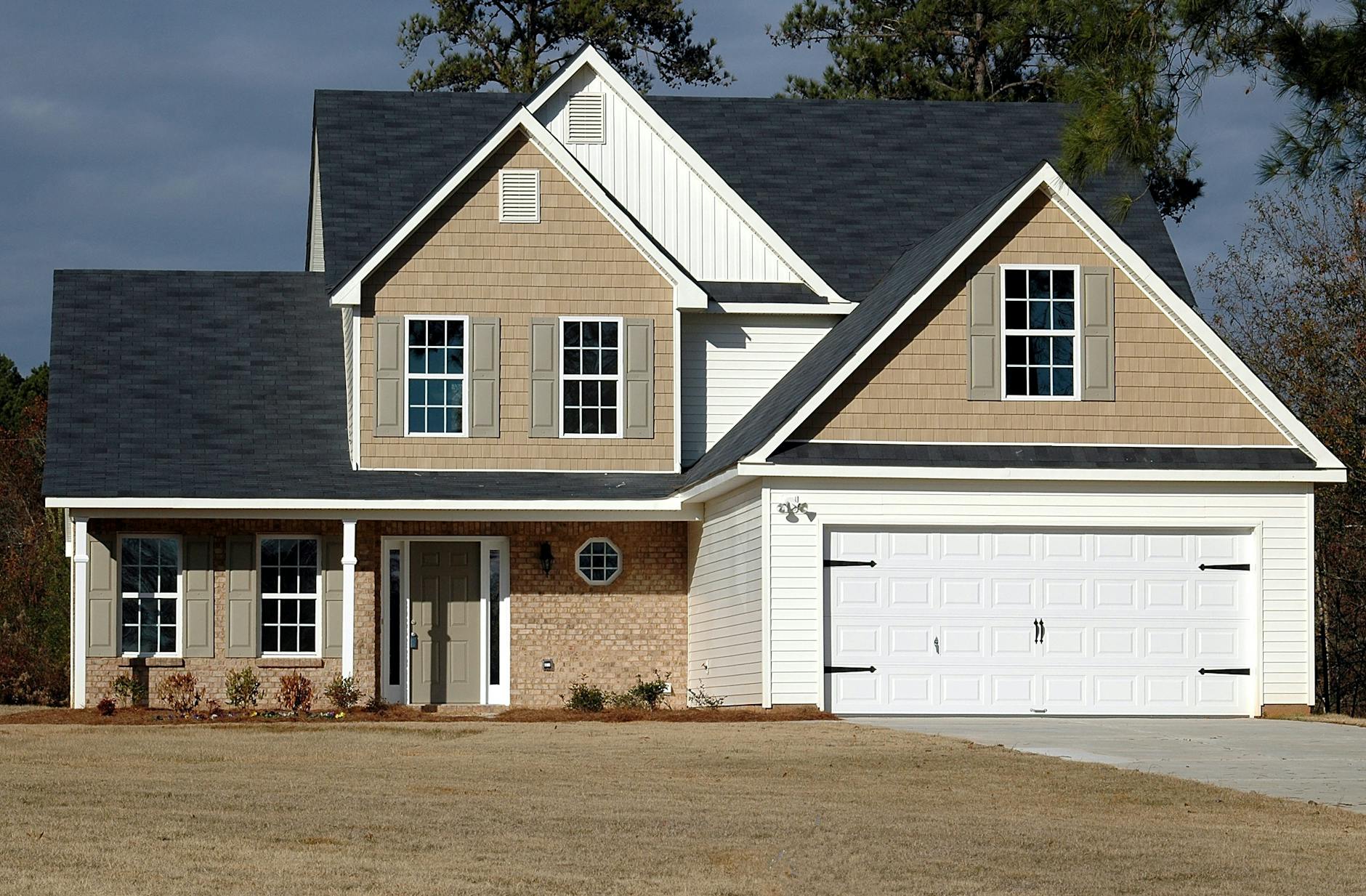
James Hardie is the brand name for a fiber cement siding product. It's made from cement, sand, and cellulose fibers — pressed and cured into planks, shingles, or panels. James Hardie's proprietary HardieZone system engineers products for specific climate zones, with Bay Area homes falling into HZ5 (mild/moderate conditions). It looks and feels like real wood but doesn't rot, warp, or attract termites.
James Hardie makes several product lines, but the most popular for Bay Area homes are HardiePlank (horizontal lap siding), HardieShingle (cedar shake look), and HardiePanel (vertical board-and-batten).
Why Fiber Cement Beats Other Materials in the Bay Area
Fog and Moisture Resistance
The Bay Area's coastal fog is murder on wood siding. Homes in San Francisco, Half Moon Bay, Marin County, and the coastal parts of Alameda County deal with constant moisture cycling — wet in the morning, dry by afternoon. Wood siding swells and contracts with every cycle, eventually cracking, warping, and rotting.
Fiber cement doesn't absorb moisture the way wood does. It's dimensionally stable, meaning it holds its shape through fog, rain, and dry heat. This is the single biggest reason Bay Area contractors default to Hardie.
Fire Rating
James Hardie siding is noncombustible and carries a 1-hour fire rating. For homes in WUI fire zones — which covers large sections of the Oakland Hills, Orinda, Lafayette, Moraga, and hillside Marin — fiber cement siding meets all fire code requirements without needing additional fire-resistant barriers.
Vinyl siding melts. Wood siding burns. Fiber cement does neither.
Termite Resistance
Subterranean termites are active across the Bay Area, especially in older homes in Berkeley, Oakland, Hayward, and San Jose. Fiber cement contains nothing termites want to eat. Wood siding — even treated wood — is always at risk.
Cost Comparison: Fiber Cement vs Vinyl vs Wood
Installed costs per square foot in the Bay Area (2026):
| Material | Cost/sq ft | Notes |
|---|---|---|
| Vinyl siding | $4-$8 | cheapest upfront, but looks cheap and doesn't hold up |
| James Hardie fiber cement | $10-$16 | mid-range, best long-term value |
| Real wood (cedar/redwood) | $12-$22 | beautiful but high maintenance |
| Engineered wood (LP SmartSide) | $8-$12 | decent alternative but less proven in fog |
For a typical 1,500 sq ft of siding (exterior coverage, not floor area), you're looking at roughly $15,000-$24,000 for James Hardie installed. That includes removal of old siding, weather barrier, and trim.
ColorPlus Technology
One of Hardie's standout features is their ColorPlus factory finish. Instead of painting on site, the color is baked on at the factory — multiple coats, UV-resistant, with a 15-year warranty against fading, peeling, and cracking.
This matters in the Bay Area because UV exposure varies dramatically. A south-facing wall in Walnut Creek gets blasted with sun, while a north-facing wall in Marin sits in fog half the day. ColorPlus handles both extremes better than field-applied paint.
Hardie offers over 30 ColorPlus colors. The most popular in the Bay Area right now are Iron Gray, Arctic White, Boothbay Blue, and Monterey Taupe. You can also get primed boards and paint them any color you want — we do this for custom color matches on historic homes.
Warranty Details
James Hardie offers a 30-year non-prorated warranty on their fiber cement products and a 15-year warranty on ColorPlus finish. Compare that to vinyl (lifetime but heavily prorated after 5-10 years) or wood (no manufacturer warranty on the material itself).
The Hardie warranty covers defects in materials — cracking, delamination, rot. It does not cover improper installation, which is why you need a contractor who follows Hardie's specific installation best practices. We're trained on their system and follow their nailing, gapping, and flashing specifications to the letter.
Installation: What Makes the Difference
Fiber cement is heavier than vinyl or wood and requires specific tools (carbide-tipped blades, not standard wood saws). It also needs proper gapping at butt joints (typically 3/16") and specific nailing patterns.
Common installation mistakes we see on Bay Area homes when other contractors cut corners:
- Butt joints too tight — leads to cracking when the material expands
- Nails driven too deep — cracks the board and voids the warranty
- Missing kick-out flashings at roof-to-wall intersections
- No back-priming — Hardie requires at least the cut edges to be sealed
- Wrong fasteners — galvanized nails corrode in coastal air; stainless steel is the move
From Alexander: Real Talk on Siding
I've replaced vinyl siding that was 8 years old and already chalking and cracking. I've replaced wood siding that rotted through in 12 years on a fog-belt home. And I've seen 25-year-old Hardie board that still looks solid.
If someone asks me what siding to put on their Bay Area home, my default answer is James Hardie. Not because it's the most profitable for me — the install takes longer and requires better tools. But because it's what I'd put on my own home.
Is Fiber Cement Right for Your Home?
James Hardie works on almost every Bay Area home style:
- Craftsman bungalows — HardiePlank or HardieShingle for a period-appropriate look
- Mid-century modern — HardiePanel in clean board-and-batten
- Victorian and Edwardian — HardieTrim for detailed millwork profiles
- Contemporary and new construction — mixed HardiePanel and HardiePlank
The only situation where I'd steer you away from Hardie is if you're set on a real wood look and you're willing to commit to repainting every 5-7 years and watching for rot. Real cedar and redwood are beautiful — they just require more attention.
Learn more about our siding services or get a quote for your Bay Area home. We serve all of Alameda County, Contra Costa County, and Marin County.
Sources & Further Reading
For more information, check these resources:
• James Hardie Products — shingle specs, warranties, and certified contractor info
• ENERGY STAR Building Products — energy-efficient roofing that qualifies for rebates
• CSLB License Lookup — verify any California contractor license