7 Warning Signs You Need a New Roof Before It Is Too Late
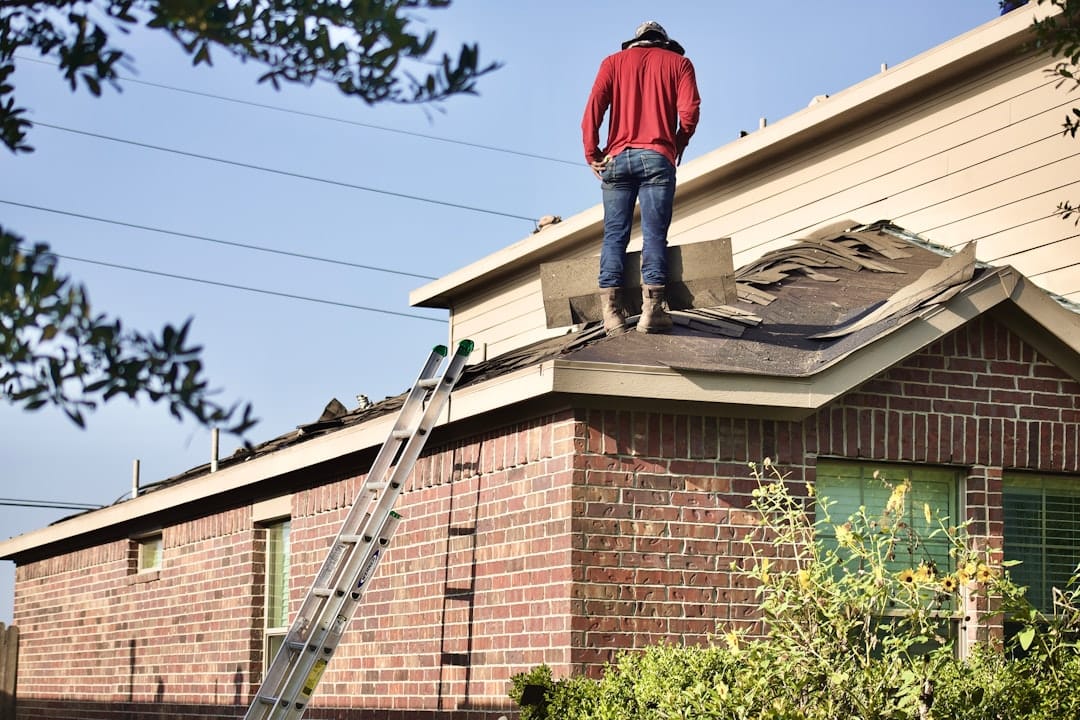
Your roof does not fail all at once. It sends signals for months or even years before a leak shows up on your ceiling. The problem is, most homeowners do not get up on a ladder to look. By the time water is dripping into your living room, the damage has spread into the decking, insulation, and framing, and a $20,000 roof replacement has become a $30,000 problem.
Here are seven signs that your roof is telling you it is time. If you spot even two or three of these, it is worth getting a professional inspection before the next rainy season.
1. Missing or Blown-Off Shingles
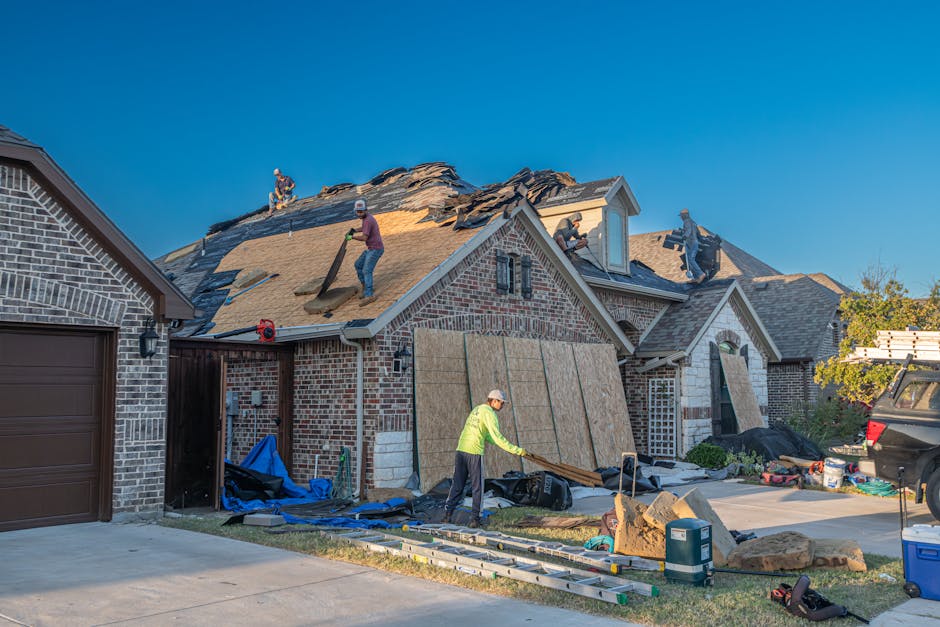
This one is visible from the ground. If you can see bare spots, exposed underlayment, or shingles sitting in your yard after a storm, your roof has lost its first line of defense. Missing shingles expose the underlayment and decking to UV, rain, and wind. In the Bay Area, where winter storms can bring 40 to 60 mph gusts, a few missing shingles can become a lot of missing shingles fast.
One or two missing shingles on an otherwise healthy roof can be repaired. But if shingles are blowing off across multiple areas, the nails are losing their grip because the shingles have become brittle with age.
2. Curling, Cracking, or Buckling Shingles
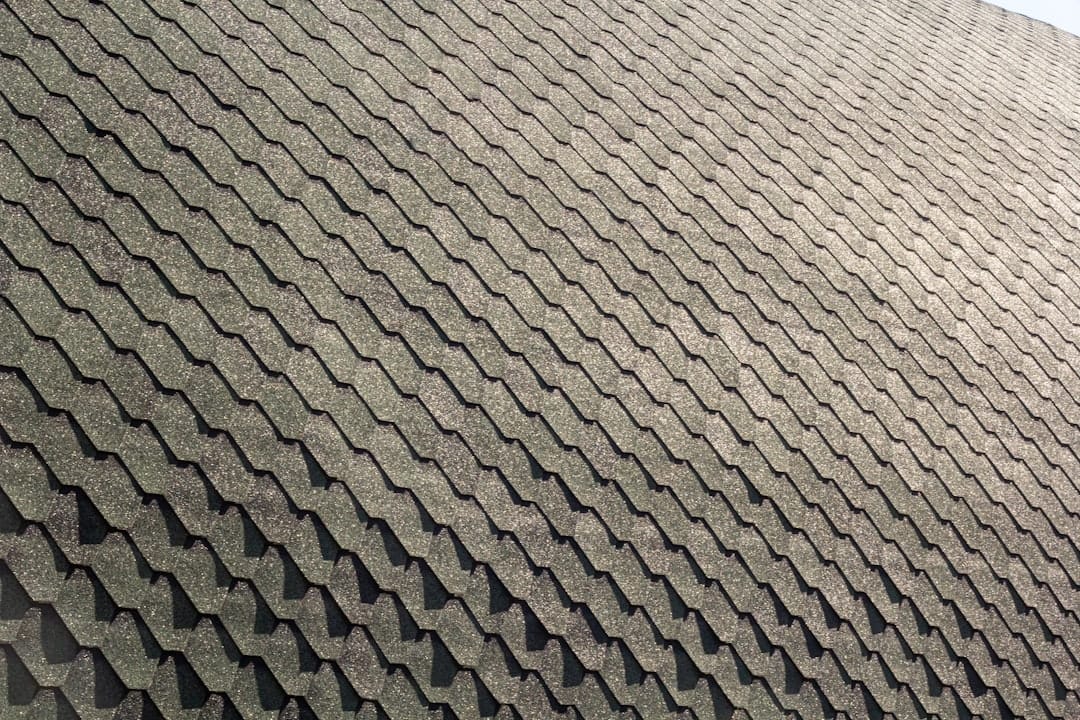
Shingles that are curling at the edges, cracking down the middle, or buckling upward have reached the end of their useful life. This happens because the asphalt has dried out and lost flexibility. Once a shingle curls, water gets underneath it on every single rain. In the Tri-Valley and Contra Costa County, where summer temps regularly exceed 100 degrees, heat accelerates this aging process. Shingles on south-facing slopes tend to fail first.
3. Granule Loss in Your Gutters
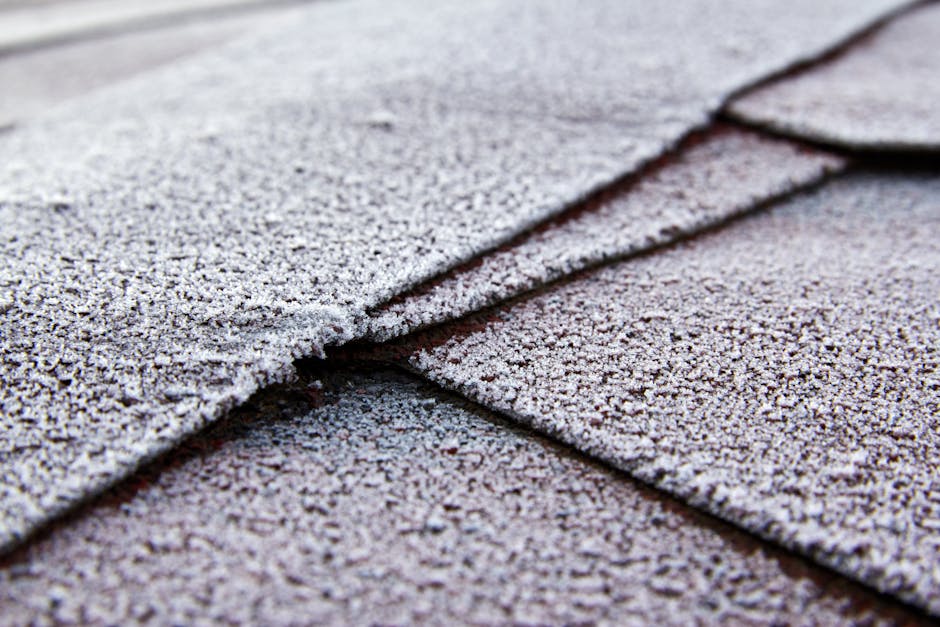
Those dark, sandpaper-like granules on your shingles are not just for color. They protect the asphalt from UV damage. When you see piles of granules in your gutters or at the bottom of your downspouts, it means the shingles are shedding their protective layer. Some granule loss is normal in the first year after installation, but if your roof is 10+ years old and you are seeing heavy granule buildup, the shingles are degrading.
Without granules, the asphalt underneath bakes in the sun and deteriorates quickly. A roof that is shedding granules heavily has maybe two to three years before it starts leaking.
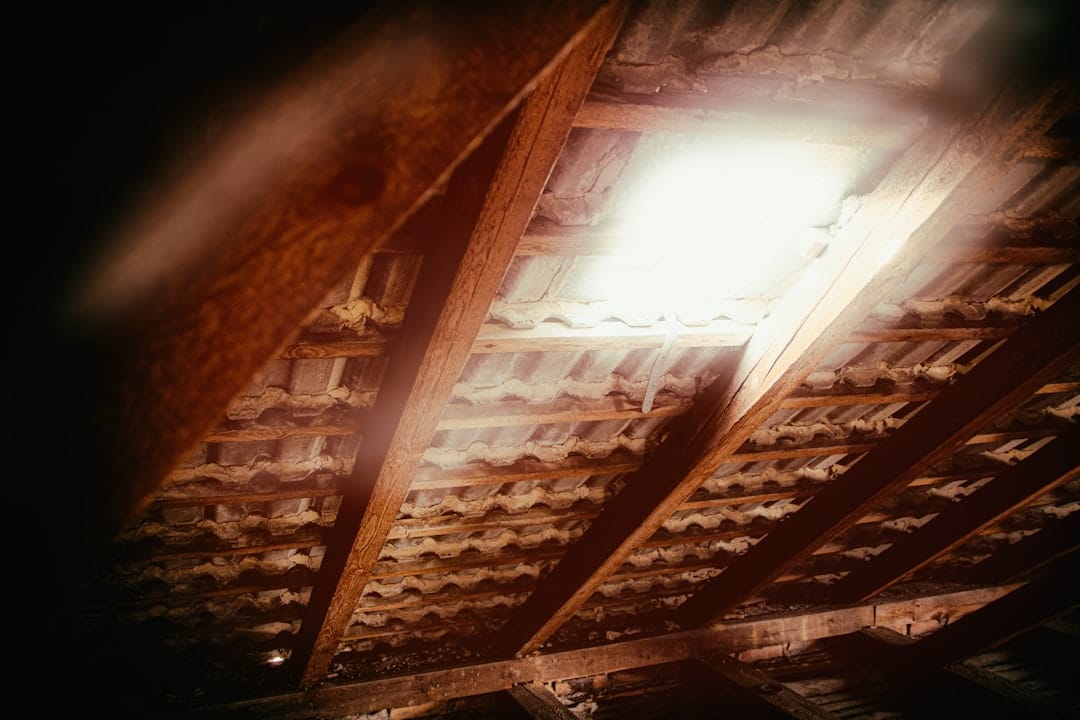
4. Daylight Visible Through Roof Boards
Go into your attic on a sunny day and look up. If you can see pinpoints of daylight coming through the roof deck, water can get through those same spots. This usually means the decking has gaps, the underlayment has failed, or both. In older Bay Area homes, especially those built before 1970, the original skip sheathing (spaced boards instead of plywood) makes this more common.
While you are up there, look for dark stains or streaks on the underside of the decking. Those are signs that water has already been getting in, even if it has not made it to your ceiling yet.
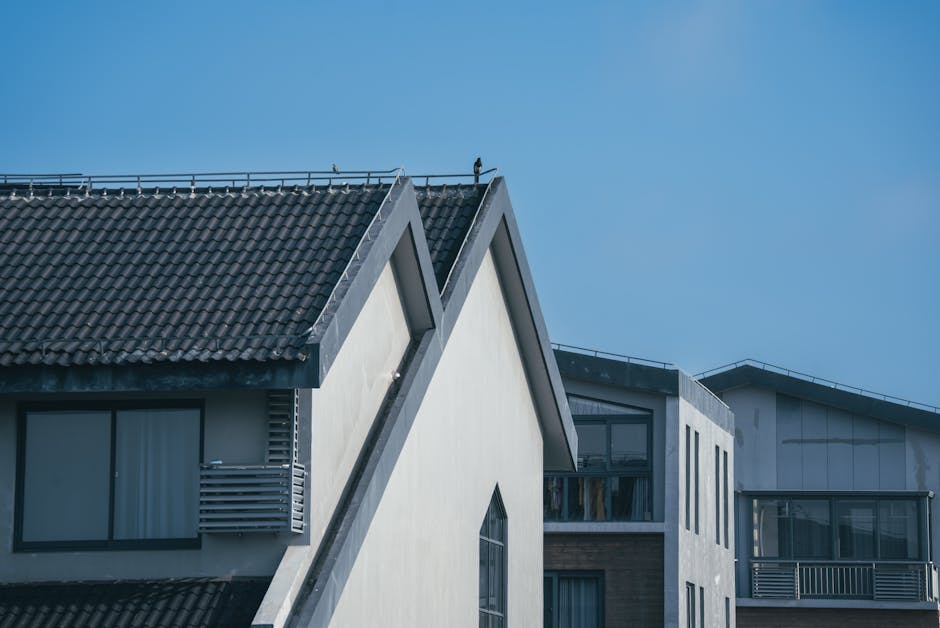
5. Sagging Roof Deck or Ridge Line
Stand across the street and look at your roofline. It should be straight. If you see a dip, sag, or wave in the ridge line or the roof plane, something structural is wrong. This can mean the decking has absorbed water and weakened, the rafters are failing, or there is long-term moisture damage that has compromised the framing.
A sagging roof is not a cosmetic issue. It is a structural one, and it will not get better on its own. This is one of the more urgent signs on this list because it means the roof system itself is failing, not just the shingles on top of it.
6. Moss, Algae, or Mold Growth
Moss and algae love the cool, damp conditions in Marin County, the Peninsula, and along the coast. If your roof is shaded by trees and stays damp, you will see green moss creeping between shingles and dark streaks from algae.
Moss is more than ugly. It holds moisture against the shingles and works its way under the edges, prying them up over time. Algae (those dark streaks) is mostly cosmetic but signals that the roof stays wet enough to support growth, which accelerates wear. If moss has been growing unchecked for years, the shingles underneath are almost certainly damaged.
You can have moss treated and removed, but if the shingles are already compromised, treatment buys you a year or two at best.
7. Your Roof Is 20+ Years Old
Most standard asphalt shingle roofs are rated for 20 to 30 years. In the Bay Area, where we get a lot of UV exposure year-round (yes, even through fog) and seasonal temperature swings, many roofs start showing real wear around year 15 to 20. If your roof was installed 20 or more years ago and you have not had it inspected recently, now is the time.
Even if your roof looks fine from the ground, the underlayment and flashing may be deteriorating. A professional inspection can tell you whether you have five more years or five more months.
What Bay Area Homeowners Should Watch For
The Bay Area throws some unique challenges at your roof that you won’t read about in generic roofing advice. In our experience working in the Oakland Hills fire zone, we see homes where the building department requires Class A fire-rated roofing materials. If your home was built before the 1991 fire, there’s a good chance your current roof doesn’t meet current fire code—and that’s something your insurance company is starting to pay attention to.
Over in Marin County, fog is the silent roof killer. That persistent coastal moisture promotes moss and algae growth on north-facing slopes. We pull off shingles in San Rafael and Tiburon that look fine from the street but are completely deteriorated underneath from years of moisture sitting on the surface. If you see green or black streaking on your roof, don’t ignore it—that’s biological growth breaking down the shingle surface.
Contra Costa County has the opposite problem. Inland heat in Walnut Creek, Concord, and Antioch pushes summer temperatures over 100°F regularly. That thermal cycling—hot days, cool nights—accelerates granule loss on asphalt shingles. One thing we see constantly in Contra Costa County homes built in the 1970s is original plywood decking that’s delaminating from decades of heat exposure. When we tear off those roofs, we end up replacing 30–40% of the decking, which adds $1,500–$3,000 to the job.
What Bay Area Homeowners Should Watch For
The Bay Area throws some unique challenges at your roof that you won’t read about in generic roofing advice. In our experience working in the Oakland Hills fire zone, we see homes where the building department requires Class A fire-rated roofing materials. If your home was built before the 1991 fire, there’s a good chance your current roof doesn’t meet current fire code—and that’s something your insurance company is starting to pay attention to.
Over in Marin County, fog is the silent roof killer. That persistent coastal moisture promotes moss and algae growth on north-facing slopes. We pull off shingles in San Rafael and Tiburon that look fine from the street but are completely deteriorated underneath from years of moisture sitting on the surface. If you see green or black streaking on your roof, don’t ignore it—that’s biological growth breaking down the shingle surface.
Contra Costa County has the opposite problem. Inland heat in Walnut Creek, Concord, and Antioch pushes summer temperatures over 100°F regularly. That thermal cycling—hot days, cool nights—accelerates granule loss on asphalt shingles. One thing we see constantly in Contra Costa County homes built in the 1970s is original plywood decking that’s delaminating from decades of heat exposure. When we tear off those roofs, we end up replacing 30–40% of the decking, which adds $1,500–$3,000 to the job.
Bonus: Rising Energy Bills
This one surprises people. If your heating or cooling costs have been climbing and your HVAC system checks out fine, your roof might be the culprit. A failing roof lets conditioned air escape through gaps in the decking and lets outside heat in. Poor attic ventilation makes it worse. In the East Bay hills and Contra Costa, where summer cooling costs are already significant, a new roof with proper ventilation can make a noticeable difference in your energy bills.
Our Experience: What We Find During Inspections
In the last year we’ve inspected over 200 roofs across the Bay Area, and the patterns are consistent. About 60% of the roofs we inspect have at least one issue the homeowner didn’t know about. The most common surprise is failed pipe boot flashings—those rubber collars around plumbing vents that dry out and crack after 10–12 years. They’re a $15 part that can cause $5,000 in water damage if ignored.
We also find a lot of roofs where a previous contractor did a second layer over the original shingles. California allows two layers, but we almost never recommend it. The added weight stresses the structure, the new shingles don’t lay flat, and you can’t inspect the decking underneath. If your roof has two layers, plan on a full tear-off next time. For a full breakdown of what replacement costs look like, see our Bay Area roof replacement cost guide.
Here’s what separates a real inspection from a sales pitch: we get on the roof, walk every slope, check every penetration, and take photos. We’ll tell you if your roof has three years left in it—even if that means we don’t get the job today. That’s just how Alexander runs things at Hamilton Exteriors. If you want to know when the timing is right, read our post on the best time to replace your roof in the Bay Area. And when you’re ready, get a free quote here.
Our Experience: What We Find During Inspections
In the last year we’ve inspected over 200 roofs across the Bay Area, and the patterns are consistent. About 60% of the roofs we inspect have at least one issue the homeowner didn’t know about. The most common surprise is failed pipe boot flashings—those rubber collars around plumbing vents that dry out and crack after 10–12 years. They’re a $15 part that can cause $5,000 in water damage if ignored.
We also find a lot of roofs where a previous contractor did a second layer over the original shingles. California allows two layers, but we almost never recommend it. The added weight stresses the structure, the new shingles don’t lay flat, and you can’t inspect the decking underneath. If your roof has two layers, plan on a full tear-off next time. For a full breakdown of what replacement costs look like, see our Bay Area roof replacement cost guide.
Here’s what separates a real inspection from a sales pitch: we get on the roof, walk every slope, check every penetration, and take photos. We’ll tell you if your roof has three years left in it—even if that means we don’t get the job today. That’s just how Alexander runs things at Hamilton Exteriors. If you want to know when the timing is right, read our post on the best time to replace your roof in the Bay Area. And when you’re ready, get a free quote here.
What to Do if You Spot These Signs
Do not panic, but do not ignore them either. The difference between catching a roof problem early and waiting until it leaks is often thousands of dollars in secondary damage to insulation, drywall, and framing.
Hamilton Exteriors offers free roof inspections across the Bay Area. We serve Alameda, Contra Costa, Marin, Napa, and Santa Clara counties. One of our project managers will get on your roof, document what we find with photos, and give you an honest assessment of whether you need a repair, a replacement, or if you are actually in good shape for a few more years.
No sales pressure. Just straight answers from a licensed contractor (CSLB #1078806). Call us at (650) 977-3351 or book online.
Ready to Get Started?
Get a free roof inspection and written estimate — no obligation, no pressure.
Call (650) 977-3351Sources & Further Reading
• GAF Timberline HDZ Shingles — industry-leading wind and algae resistance specs
• CSLB License Lookup — always verify your contractor is licensed (Hamilton Exteriors: CSLB #1078806)
• ENERGY STAR Roof Products — certified energy-efficient roofing options
Sources & Further Reading
• GAF Timberline HDZ Shingles — industry-leading wind and algae resistance specs
• CSLB License Lookup — always verify your contractor is licensed (Hamilton Exteriors: CSLB #1078806)
• ENERGY STAR Roof Products — certified energy-efficient roofing options